The U.S. Department of Justice (DOJ) has intensified its focus on election integrity by warning state election officials that they could face criminal prosecution if they knowingly allow noncitizens to vote in federal elections. The move comes as the United States prepares for the 2026 midterm elections and marks one of the strongest federal interventions in election administration in recent years.
Letters sent by the DOJ’s Civil Rights Division emphasize that election officials have a legal obligation to maintain accurate voter registration rolls, prevent ineligible voting, and preserve election records in compliance with federal law. The warnings have sparked debate over federal authority, election security, and the relationship between Washington and state election agencies.
What Prompted the DOJ Warning?
According to reports, the DOJ sent letters to election officials in multiple states, warning that federal prosecutors may pursue criminal charges if officials knowingly retain noncitizens on voter rolls or permit ballots from ineligible voters to be counted.
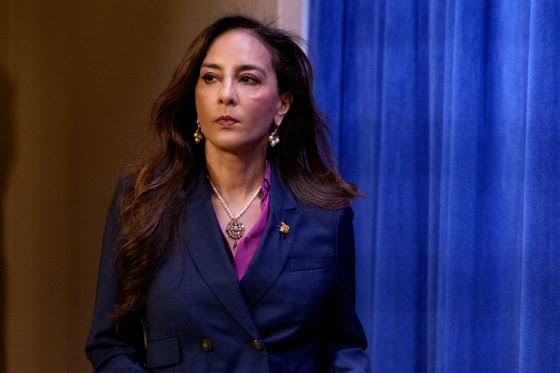
Assistant Attorney General Harmeet Dhillon, who heads the DOJ’s Civil Rights Division, signed the letters. State officials were reportedly asked to explain within days how they intend to comply with federal election laws protecting the integrity of federal elections.
The department argues that federal law prohibits non-U.S. citizens from voting in federal elections and requires election officials to take reasonable steps to prevent unlawful voting.
What Does Federal Law Say?
Federal law clearly prohibits noncitizens from voting in federal elections. Election officials are responsible for ensuring that voter registration systems are accurate and that only eligible U.S. citizens participate.
The DOJ cited several federal statutes, including:
- National Voter Registration Act (NVRA)
- Help America Vote Act (HAVA)
- Civil Rights Act
- Voting Rights Act
These laws establish standards for maintaining voter registration records, protecting election integrity, and preserving election documentation.
Could Election Officials Really Face Criminal Charges?
The letters state that officials who knowingly assist or allow violations of federal election laws could potentially face criminal prosecution.
Legal experts, however, note that sending warning letters does not automatically indicate criminal investigations are underway. Several election law scholars described the letters as unusually aggressive but emphasized that criminal prosecutions would require evidence that officials intentionally violated federal law.
Some analysts believe the warnings are primarily intended to reinforce compliance with election laws rather than announce immediate prosecutions.
States Push Back Against DOJ Warnings
Several state election officials responded by defending their existing election security procedures.
Officials from states including Arizona and Georgia said they already conduct citizenship verification, maintain voter roll accuracy, and follow state and federal election laws. Some described the DOJ’s letters as unnecessary or politically motivated.
Arizona Secretary of State Adrian Fontes criticized the federal warning, arguing that Arizona already has extensive safeguards preventing noncitizens from voting.
Other election administrators said the letters create additional administrative burdens without providing new legal guidance.
How Common Is Noncitizen Voting?
One of the central issues surrounding the DOJ’s warning is the actual frequency of noncitizen voting.
Election experts consistently state that documented cases of noncitizen voting in federal elections remain extremely rare. Existing federal and state safeguards—including citizenship verification requirements, voter registration checks, and criminal penalties—already make unlawful voting difficult.
However, supporters of stricter election enforcement argue that even isolated cases can undermine public confidence and justify stronger oversight.
Why the Issue Matters Before the 2026 Midterms
The timing of the DOJ’s action is significant.
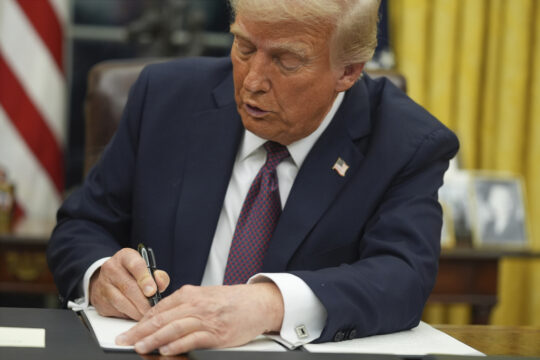
With the 2026 congressional elections approaching, election administration has become a major political issue. The Trump administration has prioritized election security, voter roll maintenance, and enforcement of federal voting laws.
The warning letters also follow several recent legal disputes involving federal oversight of state election systems, making them part of a broader effort to strengthen compliance with federal election requirements.
Supporters say stronger enforcement protects election integrity.
Critics argue the federal government risks intimidating local election officials who already operate under extensive legal obligations.
Election Integrity Versus Election Administration
The controversy highlights a longstanding debate in American politics.
Supporters of the DOJ’s approach argue:
- Only eligible U.S. citizens should vote.
- Federal law should be enforced consistently nationwide.
- Election officials should be accountable for maintaining accurate voter rolls.
- Public confidence increases when election laws are strictly enforced.
Critics argue:
- States already have extensive election safeguards.
- Criminal threats may discourage experienced election workers.
- Local officials should retain primary authority over election administration.
- Existing evidence suggests widespread noncitizen voting is extremely uncommon.
- Legal Challenges May Follow
Election law experts expect additional legal disputes if the DOJ attempts to bring criminal cases against election officials.
Courts would likely examine:
- Whether officials knowingly violated federal law.
- The limits of federal authority over state election administration.
- Whether DOJ enforcement actions exceed statutory authority.
Previous election-related lawsuits have shown that federal courts often closely scrutinize executive actions affecting election procedures.
What Happens Next?
For now, states receiving DOJ letters are expected to respond by outlining their election security procedures and compliance efforts.
The Justice Department has indicated it will continue monitoring election administration ahead of the 2026 midterms, including deploying federal election monitors in selected jurisdictions.
Whether the warnings ultimately lead to investigations or prosecutions remains uncertain, but they have already intensified the national debate over election integrity, federal oversight, and the balance of power between Washington and the states.
Final Thoughts
The DOJ’s warning to election officials represents one of the strongest recent federal statements on election enforcement. By emphasizing potential criminal liability for knowingly allowing noncitizens to participate in federal elections, the department has placed election administration under renewed national scrutiny.
While supporters believe the move reinforces confidence in the electoral system, critics argue it risks politicizing election administration and intimidating public officials. As the 2026 midterm elections approach, the legal and political implications of these warnings are likely to remain a major topic in American politics.
**For more insight into another major legal battle involving the media, read our detailed analysis: “Was The Washington Post Sued? Bezos Purchase, Reputation & Owner.”