The U.S. Department of Justice (DOJ) has issued a sharp warning to Washington state’s election officials, cautioning that they could face criminal prosecution if noncitizens are allowed to vote in federal elections. The move marks the latest escalation by the Trump administration as it intensifies scrutiny of election administration ahead of the 2026 midterm elections.
The warning has sparked immediate reactions from state election officials, voting rights advocates, and legal experts. While federal law already makes it illegal for non-U.S. citizens to vote in federal elections, critics argue that the DOJ’s latest letters represent an unprecedented attempt to pressure state election administrators.
Here’s what happened, why the DOJ issued the warning, and what it could mean for election administration nationwide.
Why Did the DOJ Send the Warning?
According to reports, the DOJ’s Civil Rights Division sent letters to election officials in Washington and several other states reminding them of their legal responsibilities under federal election laws.
The letters emphasized that state officials are required to maintain accurate voter registration rolls and ensure that only eligible U.S. citizens participate in federal elections. They also warned that violations of federal law could result in both civil enforcement and criminal prosecution.
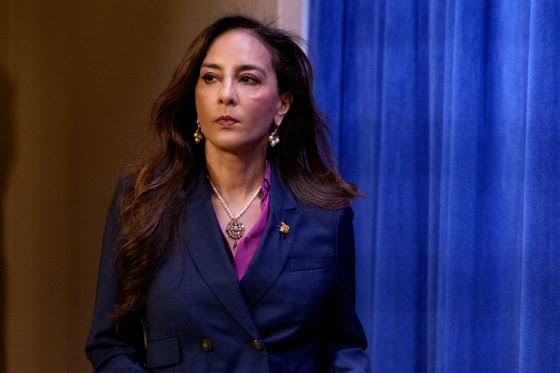
Assistant Attorney General Harmeet Dhillon stated that federal law authorizes the Justice Department to investigate and prosecute election-related violations where appropriate.
What Did Washington Officials Receive?
Washington election officials reportedly received formal correspondence from the DOJ outlining several federal statutes related to election administration.
The department stressed that election administrators have a legal obligation to:
- Prevent noncitizens from registering to vote
- Maintain accurate voter registration databases
- Preserve election records
- Cooperate with federal election law enforcement
The DOJ also requested that officials respond regarding the state’s compliance with federal election requirements.
Is Noncitizen Voting Illegal?
Yes.
Federal law prohibits non-U.S. citizens from voting in federal elections. Individuals who knowingly register or vote illegally can face criminal penalties, including fines, imprisonment, and possible immigration consequences.
Election officials themselves can also face legal consequences if they knowingly violate federal election laws or fail to carry out duties required under federal statutes.
However, election experts consistently note that verified cases of noncitizen voting remain extremely rare compared with the total number of ballots cast nationwide. Research cited by election experts has found only a tiny fraction of votes involved noncitizens in reviewed jurisdictions.
Why Is This Becoming a Major Political Issue?
Election integrity has become one of the Trump administration’s highest priorities heading into the 2026 midterm elections.
The administration has pursued several initiatives aimed at tightening election security, including:
- Increased scrutiny of voter registration rolls
- Requests for voter data from states
- Expanded federal oversight of election administration
- Greater enforcement against alleged election law violations
Supporters argue these actions help protect election integrity and strengthen public confidence in voting systems.
Critics, however, contend that the federal government is placing undue pressure on state election officials and attempting to expand federal influence over elections that are primarily administered by the states.
Washington’s Response
Washington election officials have defended the state’s election system, saying existing safeguards already prevent ineligible voting.
State officials note that Washington conducts regular voter roll maintenance and follows both federal and state election laws regarding voter eligibility.
Some election administrators across the country have described the DOJ’s warning letters as unusually aggressive and politically charged, while others view them as routine reminders of existing federal law.
Other States Also Received Similar Letters
Washington was not the only state contacted.
Reports indicate that election officials in Arizona, Georgia, Michigan, Colorado, Nevada, Oregon, and several additional states also received comparable DOJ letters warning about potential criminal liability.
The coordinated effort suggests the DOJ is implementing a nationwide election enforcement strategy rather than focusing solely on Washington.
Could Election Officials Actually Face Criminal Charges?
The DOJ says federal law permits criminal prosecution when election officials knowingly violate federal election statutes.
Legal experts note, however, that criminal prosecutions against election administrators are relatively uncommon and would generally require evidence of intentional misconduct or willful violations of federal law.
Whether any prosecutions ultimately occur would depend on the specific facts of individual cases and the outcome of any federal investigations.
Voting Rights Groups Raise Concerns
Several voting rights organizations have criticized the DOJ’s approach.
They argue that:
- Existing election safeguards already address noncitizen voting.
- Federal threats may discourage qualified election workers.
- Public confidence could be undermined if officials appear to be under political pressure.
- The emphasis on noncitizen voting may not reflect the rarity of documented cases.
Supporters of the DOJ, meanwhile, argue that enforcing election laws consistently is essential regardless of how frequently violations occur.
What Happens Next?
Election officials in Washington and other states are expected to review the DOJ’s requests and continue communicating with federal authorities where required.
Meanwhile, the Justice Department has also announced plans to deploy federal election monitors in multiple jurisdictions during the 2026 election cycle, signaling increased federal involvement in election oversight. (Democracy Docket)
As the midterm elections approach, additional disputes between federal officials and state election administrators are likely, particularly over voter registration, election security, and federal oversight.
Broader Impact on the 2026 Midterm Elections
The DOJ’s warning underscores how election administration remains one of the most closely watched political issues in the United States.
Supporters believe stricter enforcement will help ensure only eligible citizens vote and improve confidence in election outcomes.
Opponents worry that aggressive federal intervention could create unnecessary tension between Washington and state governments while increasing pressure on local election officials.
Regardless of political perspective, the dispute highlights the continuing debate over election security, federal authority, and the balance of power between state and federal governments. As the 2026 midterms draw closer, the DOJ’s actions are expected to remain under intense legal and political scrutiny.
Read our related coverage: US Denies Sharing Asylum Seeker Information With Iran After Lawsuit Allegations to learn how another high-profile federal lawsuit is shaping debates over government transparency, national security, and immigration policy.