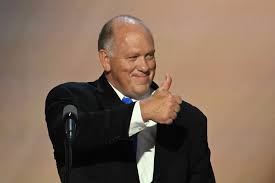

The Cindy Burbank Senate Withdrawal has become a notable development in the ongoing political landscape, reshaping the dynamics of the Senate race and influencing how candidates, voters, and political organizations approach the upcoming election. Burbank’s decision to step away from the contest has raised questions about the reasons behind her exit, the future of her political career, and the impact her withdrawal could have on the broader race.
Political campaigns often change direction when major candidates leave the field. A withdrawal can affect fundraising, voter strategies, party calculations, and the balance between competing candidates. Cindy Burbank’s departure represents one of those moments that could alter the trajectory of the Senate contest.
Who Is Cindy Burbank?
Cindy Burbank entered the Senate race with the goal of bringing her political experience, policy priorities, and connection with voters to the national stage. Like many candidates who seek a Senate seat, Burbank’s campaign focused on addressing issues important to residents, including economic concerns, government accountability, community development, and the future direction of public policy.
Her campaign attracted attention from supporters who viewed her as a candidate capable of representing their interests. She positioned herself as a voice for voters seeking leadership and solutions to major challenges facing the country.
However, running for the Senate requires significant resources, including financial support, campaign organization, voter outreach operations, and long-term political momentum. These factors often influence whether candidates continue or withdraw from competitive races.
Cindy Burbank Senate Withdrawal: What Happened?
The Cindy Burbank Senate Withdrawal marks the end of her campaign for the Senate seat. While candidates leave races for many different reasons, withdrawals are often connected to a combination of personal decisions, campaign conditions, political calculations, and the competitive environment.
A Senate campaign is a demanding process that requires months of travel, fundraising, public appearances, debates, and communication with voters. Candidates sometimes determine that continuing the race is not the best path forward based on internal campaign assessments.
Burbank’s decision highlights the unpredictable nature of elections. Even candidates with strong ambitions and dedicated supporters may choose to step aside when circumstances change.
Reasons Behind Cindy Burbank’s Decision
Although every campaign withdrawal is unique, several common factors can influence a candidate’s decision to exit a Senate race.
Campaign Challenges
Maintaining a competitive Senate campaign requires substantial financial resources and organizational strength. Candidates must build a strong fundraising network and maintain visibility among voters.
If a campaign struggles to gain momentum, some candidates decide that withdrawing is a strategic choice rather than continuing a difficult race.
Political Landscape
The political environment surrounding a Senate election can also play an important role. Changes in polling, candidate competition, party support, and voter priorities may influence campaign decisions.
Candidates regularly evaluate whether they have a realistic path to victory. If the political landscape becomes more challenging, withdrawal can become a practical option.
Personal Considerations
Campaigns demand significant time and energy. Personal responsibilities, family considerations, or changing priorities can also affect a candidate’s decision to leave a race.
For many politicians, stepping away from an election does not necessarily mean leaving public service. Some candidates continue their work through other political, civic, or community roles.
Impact of Cindy Burbank’s Senate Withdrawal on the Race
The exit of a candidate can create new opportunities for remaining contenders. The Cindy Burbank Senate Withdrawal may influence the race in several ways.
More Competition Among Remaining Candidates
With Burbank no longer in the contest, other candidates may attempt to attract her former supporters. Voters who previously backed her campaign could become an important group for other campaigns seeking additional support.
Changes in Campaign Strategy
Candidates may adjust their messaging and priorities following a major withdrawal. Campaign teams often review voter data, fundraising opportunities, and new areas where they can expand support.
Party Implications
Political parties closely monitor competitive Senate races because each seat can affect the balance of power in Washington. A candidate withdrawal can change party strategies, endorsements, and resource allocation.
What Cindy Burbank’s Supporters Should Know
Supporters of Cindy Burbank may have questions about what comes next after her withdrawal. In many cases, candidates who leave a race continue to influence political discussions and remain active in their communities.
A withdrawal does not erase the issues a candidate promoted during the campaign. The concerns raised by Burbank and her supporters may continue to shape conversations among voters and other candidates.
Supporters may now decide whether to support another candidate, remain politically active through advocacy, or continue following developments in the Senate race.
Broader Meaning of Senate Candidate Withdrawals
The Cindy Burbank Senate Withdrawal reflects a larger reality of American elections: political campaigns are constantly changing. Candidates enter races with different goals, but only a limited number can remain competitive until Election Day.
Withdrawals can create opportunities for new political alliances, change voter choices, and reshape election strategies. They are a normal part of the democratic process.
Senate races receive national attention because they can influence federal policy decisions, judicial confirmations, and legislative priorities. Even a single candidate’s departure can have consequences beyond the individual campaign.
What Happens Next After Cindy Burbank’s Exit?
Following Burbank’s withdrawal, attention will shift toward the remaining candidates and how they respond to the changing race. Campaigns will likely focus on attracting undecided voters and strengthening their positions.
Political analysts will continue watching fundraising numbers, endorsements, polling trends, and voter engagement as the election progresses.
For Cindy Burbank, the withdrawal may represent a pause rather than the end of her political involvement. Many politicians who step away from one race later return in another capacity.
Conclusion
The Cindy Burbank Senate Withdrawal is a significant development that changes the shape of the Senate race. Her decision to leave the contest highlights the challenges of running a statewide campaign and the many factors that influence political decisions.
As the election moves forward, remaining candidates will compete for support from voters affected by Burbank’s exit. Meanwhile, her campaign and political message may continue to influence discussions surrounding the race.
The impact of Cindy Burbank’s withdrawal will become clearer as candidates adjust their strategies and voters decide the future direction of the Senate contest.
For a deeper look at the challenges facing the current administration and how policy decisions have shaped national debates, read our detailed analysis on “How Trump’s Administration Plunged the US Into Multiple Crises”, covering major political, economic, and governance issues affecting the United States.