Donald Trump’s second administration has become one of the most polarizing periods in recent American political history. Supporters argue that the administration has prioritized national sovereignty, immigration enforcement, and government restructuring. Critics, however, contend that a series of policy decisions, funding cuts, and executive actions have contributed to multiple crises affecting public health, national security, environmental protection, and democratic institutions.
As debates intensify across Washington and the country, concerns continue to grow over whether these overlapping challenges are isolated issues or part of a broader pattern of governance. This article examines the major crises that critics say have deepened under Trump’s administration while also acknowledging the administration’s stated goals and defenses.
Public Health Challenges
One of the strongest criticisms of the administration has centered on public health.
Several health experts have warned that reductions in federal funding, staffing shortages, and changes to disease surveillance programs have weakened the country’s ability to detect and respond to outbreaks. Reports have linked these changes to increasing concerns over diseases such as measles and cyclosporiasis, with public health officials arguing that weakened infrastructure could delay emergency responses.
The administration has defended its approach by arguing that it is reducing bureaucratic waste and encouraging states to take greater responsibility for health management. Nevertheless, many medical organizations remain concerned that reduced federal coordination could leave the nation vulnerable during future outbreaks.
Election Security Concerns
Election integrity remains one of the defining political issues of Trump’s presidency.
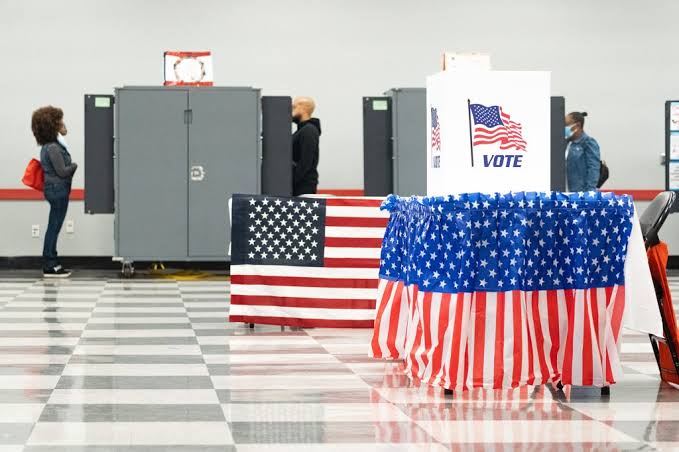
While the administration has promoted stricter voter verification measures and argued that stronger safeguards are necessary to protect elections, critics point to staffing reductions within cybersecurity and election-related agencies as a potential threat to election security.
According to multiple reports, experts worry that scaling back federal support may reduce the government’s ability to identify foreign interference, cyberattacks, and misinformation campaigns before the 2026 elections.
Supporters counter that election administration primarily belongs to state governments and that decentralization can strengthen local accountability.
Environmental Rollbacks
Environmental policy has undergone significant changes during Trump’s second term.
The administration has expanded oil and gas production, rolled back several environmental regulations, reduced climate-related programs, and promoted domestic energy development under its “America First” agenda.
Critics argue these decisions weaken protections for clean air and water while reducing America’s preparedness for climate-related disasters such as wildfires, flooding, and extreme weather events. Environmental organizations also warn that reduced scientific monitoring may limit policymakers’ ability to respond effectively to emerging environmental threats. (The Guardian)
Administration officials maintain that deregulation lowers energy costs, strengthens American energy independence, and supports economic growth.
Government Workforce Reductions
One of Trump’s signature governing strategies has been reducing the size of the federal government.
Thousands of positions across federal agencies have reportedly been eliminated or left vacant as part of broader restructuring efforts. Supporters describe these changes as necessary reforms aimed at eliminating inefficiency and reducing taxpayer spending.
Critics, however, argue that losing experienced civil servants weakens institutional expertise and slows government responses during emergencies. Several agencies responsible for science, environmental monitoring, and public administration have experienced substantial workforce reductions. (The Guardian)
Immigration Enforcement Controversies
Immigration policy remains another major source of national debate.
The administration has significantly expanded immigration enforcement operations, arguing that stricter enforcement is essential for border security and public safety.
However, recent ICE operations have generated widespread criticism following several deadly encounters that sparked protests and renewed scrutiny of federal immigration practices. Civil rights organizations have called for greater transparency and independent investigations into these incidents. (The Guardian)
Administration officials maintain that immigration enforcement officers are carrying out lawful duties while protecting national security.
Foreign Policy Challenges
Trump’s “America First” foreign policy has also reshaped America’s relationships with allies.
The administration has placed greater emphasis on burden-sharing within NATO, questioned longstanding alliances, and pursued a more transactional diplomatic approach.
At the same time, critics argue that staffing reductions within the State Department and a decline in career diplomats have weakened America’s diplomatic influence abroad. Some foreign policy analysts believe this has complicated relationships with allies during international crises. (Financial Times)
Supporters argue that these changes allow the United States to negotiate from a position of greater strength while reducing unnecessary foreign commitments.
Political Polarization
Political divisions in the United States have continued to deepen.
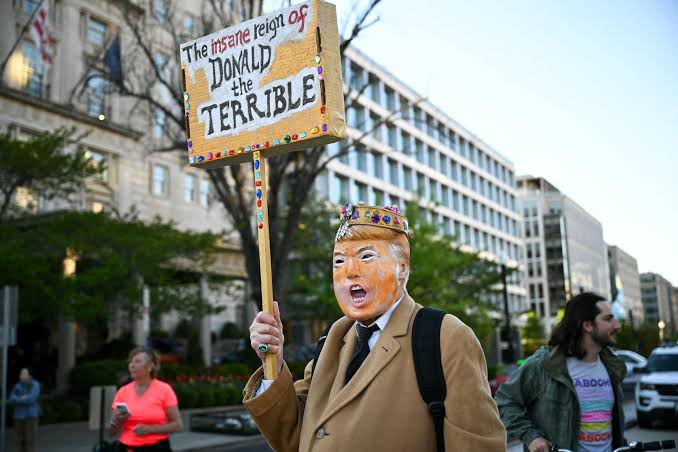
Trump’s supporters view his administration as confronting entrenched bureaucracies, media bias, and political elites. Critics argue that increasingly confrontational rhetoric and actions against political opponents have intensified institutional distrust and further polarized the electorate.
Legal scholars and democracy experts continue to debate the long-term implications of expanded executive authority and confrontations between the executive branch, courts, universities, and civil society organizations. (Wikipedia)
Economic Trade-Offs
Economically, the administration points to job creation, deregulation, and energy production as major achievements.
However, critics argue that uncertainty surrounding tariffs, geopolitical tensions, federal budget priorities, and government restructuring has created challenges for businesses and financial markets. Additionally, military tensions in the Middle East have contributed to concerns about energy prices and global economic stability. (Axios)
Both supporters and critics acknowledge that the long-term economic effects of current policies will likely take years to fully assess.
Public Trust in Institutions
Perhaps the most significant concern raised by observers is the cumulative effect of multiple simultaneous challenges.
When public health systems, election security, environmental protection, diplomacy, and government administration all face significant changes at once, critics argue that public confidence in institutions may erode.
Supporters disagree, arguing that the administration is restoring accountability by reducing federal overreach and returning authority to states and local governments.
The differing interpretations reflect the broader political divide that continues to shape American public opinion.
Conclusion
How Trump’s Administration Plunged the US Into Multiple Crises remains a subject of intense political debate. Critics argue that funding cuts, agency restructuring, environmental deregulation, aggressive immigration enforcement, and changes to federal institutions have collectively created overlapping crises that challenge America’s resilience. Supporters, meanwhile, contend these policies represent long-overdue reforms designed to reduce government spending, strengthen national security, and restore executive accountability.
As the United States approaches future elections, the lasting consequences of these policies will continue to influence public debate, legislative priorities, and the nation’s political direction. Whether viewed as necessary reform or systemic disruption, the administration’s decisions have undeniably reshaped the country’s political landscape.
To better understand why Washington struggles to pass major legislation, read our in-depth analysis, “What’s Wrong With Congress? A Look at America’s Legislative Gridlock,” which explores the political divisions, procedural hurdles, and partisan conflicts shaping today’s Congress.