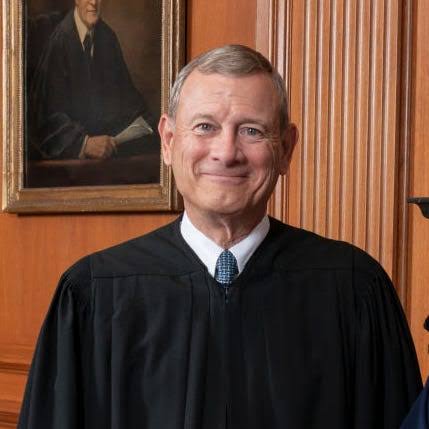
The question “Is Justice John Roberts Pro-Trump?” has gained renewed attention as debates over the U.S. Supreme Court’s political role intensify. Chief Justice John Roberts has become a central figure in discussions about judicial independence, conservative rulings, and the growing public concern surrounding the Supreme Court’s credibility.
As the Supreme Court faces historically low public trust levels, many Americans are questioning whether the court is acting as an independent institution or becoming influenced by partisan politics. Roberts, who has led the Supreme Court since 2005, has often positioned himself as a defender of judicial neutrality, but his decisions have drawn criticism from both conservatives and liberals.
Who Is Justice John Roberts?
John Roberts is the 17th Chief Justice of the United States and was nominated to the Supreme Court by President George W. Bush in 2005. Before joining the court, Roberts worked as a federal appeals court judge and held several legal positions in Republican administrations.
As Chief Justice, Roberts has attempted to maintain the Supreme Court’s reputation as an institution above politics. He has repeatedly argued that judges should interpret the law rather than act as policymakers.
However, because he leads a court with a conservative majority, Roberts has frequently faced questions about whether his judicial approach aligns more closely with Republican political goals.
Why Are People Asking If John Roberts Is Pro-Trump?
The debate over whether Justice John Roberts is Pro-Trump increased after several Supreme Court decisions involving former President Donald Trump and major political issues.
Critics argue that the conservative majority of the Supreme Court has delivered rulings favorable to Trump’s political interests. Some believe Roberts, as Chief Justice, has allowed a conservative legal agenda to reshape American law.
However, Roberts himself has not consistently sided with Trump or the Republican Party. His record shows a more complicated picture, with decisions that have disappointed conservatives as well as liberals.
Roberts has often acted as a swing vote in important cases, particularly when he believes the court’s institutional legitimacy is at stake.
John Roberts and Trump-Related Supreme Court Cases
One of the biggest reasons behind questions about Roberts’ political position is the Supreme Court’s handling of cases involving Donald Trump.
In major cases involving presidential power and legal challenges against Trump, Roberts has been part of decisions that critics describe as favorable to Trump. For example, the Supreme Court’s ruling on presidential immunity created widespread debate over the limits of executive authority.
Supporters of the decision argued that the court was protecting constitutional principles and preventing politically motivated prosecutions of presidents. Opponents argued that the ruling gave Trump additional legal protection.
Roberts defended the court’s role and rejected claims that justices were acting as political figures.
Roberts Has Also Challenged Conservative Positions
Despite being appointed by a Republican president, John Roberts has not always voted with conservative interests.
One of the most notable examples came when Roberts joined liberal justices in several important decisions. He supported maintaining certain parts of the Affordable Care Act, a decision that disappointed many conservatives who wanted the law overturned.
Roberts has also emphasized the importance of protecting the Supreme Court from appearing politically motivated. His approach has sometimes placed him between the court’s conservative and liberal wings.
Because of this record, many legal experts argue that labeling Roberts simply as “pro-Trump” oversimplifies his judicial philosophy.
Supreme Court Trust Falls Amid Political Concerns
The debate surrounding John Roberts comes at a time when public confidence in the Supreme Court has declined significantly.
Recent polling has shown historically low trust in the Supreme Court, with many Americans expressing concerns about judicial ethics, political influence, and ideological divisions among justices.
The court’s conservative majority, including three justices appointed by Trump, has contributed to increased scrutiny. Major rulings on abortion, presidential authority, voting rights, and administrative power have intensified disagreements about the court’s direction.
Roberts has acknowledged concerns about public confidence and has argued that the court’s legitimacy depends on following the law rather than public opinion.
Is John Roberts a Trump Ally?
The evidence does not clearly show that John Roberts is a political ally of Donald Trump.
While some Supreme Court decisions during Roberts’ leadership have benefited Trump, the Chief Justice has also demonstrated independence from Republican leaders. His voting record includes decisions that have gone against conservative priorities.
Unlike a politician, Roberts does not publicly campaign for Trump or endorse Republican policies. His role requires him to remain separate from partisan politics.
The more accurate description may be that Roberts is a conservative judicial leader who prioritizes institutional stability and legal interpretation.
The Political Future of the Supreme Court Under Roberts
As Chief Justice, Roberts faces the challenge of protecting the Supreme Court’s reputation during one of the most politically divided periods in modern American history.
The court’s decisions will continue to influence major issues, including elections, executive power, individual rights, and government regulations.
For Roberts, maintaining public trust may be one of his greatest challenges. Critics want stronger ethics rules and greater transparency, while supporters argue that attacks on the court are politically motivated.
The question “Is Justice John Roberts Pro-Trump?” reflects a broader debate about the role of the Supreme Court in American democracy.
Conclusion
Justice John Roberts is not easily classified as either a Trump supporter or opponent. His judicial record shows a combination of conservative principles, institutional concerns, and occasional decisions that cross traditional ideological lines.
Although critics argue that the Supreme Court has become more politically aligned under his leadership, Roberts continues to present himself as an independent judge committed to the Constitution.
As public trust in the Supreme Court reaches historic lows, the actions and decisions of John Roberts will remain closely watched by Americans across the political spectrum.
For readers interested in learning more about Chief Justice John Roberts beyond his Supreme Court decisions, explore our detailed guide on “John Roberts: Political Party, Net Worth, Chief Justice” to understand his background, legal career, political connections, and role as the leader of the U.S. Supreme Court.