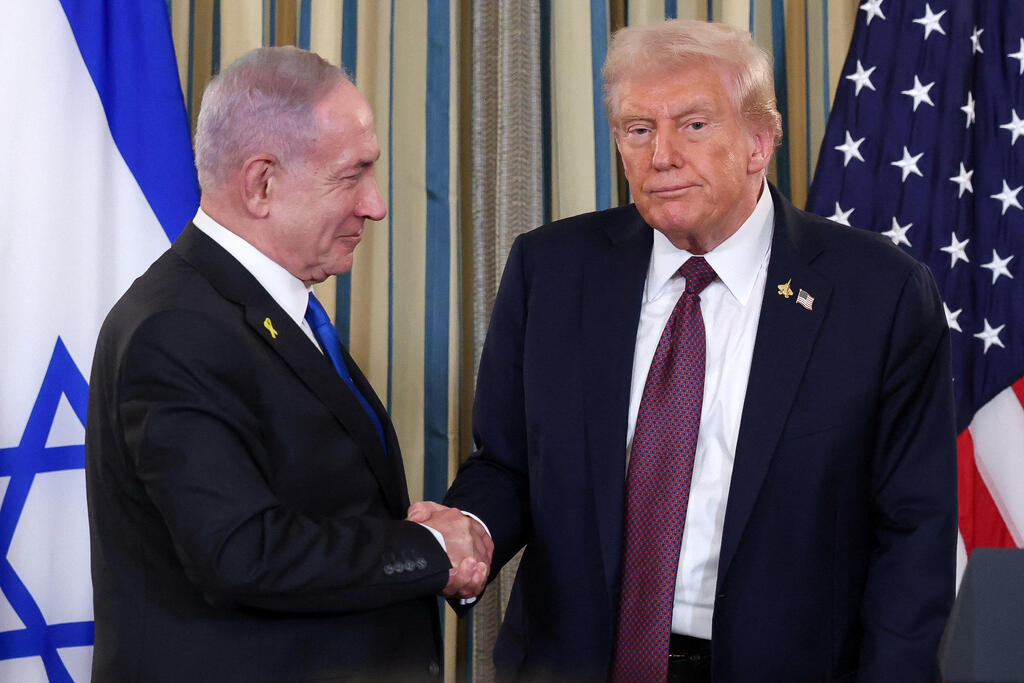

The U.S.-Iran conflict escalates once again after President Donald Trump declared the temporary ceasefire with Tehran “over,” signaling a dramatic shift in American policy toward the Middle East. Fresh U.S. military strikes, renewed Iranian retaliation, and growing concerns over the Strait of Hormuz have pushed the region closer to another major confrontation.
Trump’s remarks came during the NATO Summit, where he expressed frustration with Iran’s leadership and indicated that diplomacy had failed to prevent renewed hostilities. Shortly afterward, U.S. Central Command confirmed another round of military operations targeting Iranian capabilities believed to threaten international shipping routes.
The latest developments have sparked fears of wider regional instability, increased oil prices, and growing uncertainty among America’s allies.
Trump Says the Ceasefire Is Over
Speaking to reporters, President Trump stated that the ceasefire agreement with Iran no longer existed “as far as I’m concerned.” He accused Tehran of violating previous understandings and warned that the United States would respond forcefully to any additional attacks.
Although Trump maintained that Washington was not seeking a full-scale war, he emphasized that further military action remained on the table if American interests or international shipping continued to face threats.
The statement effectively marked the collapse of weeks of diplomatic efforts aimed at reducing tensions between Washington and Tehran.
Why Did the Conflict Escalate Again?
The latest escalation followed a series of attacks targeting commercial vessels in the Strait of Hormuz, one of the world’s most important energy corridors.
According to U.S. officials:
- Iranian-backed forces allegedly targeted commercial shipping.
- The attacks threatened freedom of navigation through the Strait of Hormuz.
- Washington ordered retaliatory strikes against military infrastructure linked to those operations.
U.S. Central Command said the objective of the strikes was to reduce Iran’s ability to threaten international maritime traffic rather than launch a broader invasion.
Iran, however, condemned the attacks as violations of international law and promised additional retaliation.
Fresh U.S. Airstrikes Target Iranian Military Assets
American forces launched another wave of precision strikes against Iranian military facilities after Trump’s announcement.
Officials said the operations focused on:
- Missile launch sites
- Naval infrastructure
- Military logistics facilities
- Command-and-control centers supporting attacks in the Gulf
Military officials described the operation as limited but warned that additional strikes could follow if Iran continued threatening regional security.
The Pentagon stressed that the objective remained protecting international shipping rather than initiating regime change.
Iran Responds with New Military Actions
Iran responded by launching attacks aimed at U.S. military facilities and assets across the Gulf region while continuing to challenge American naval operations.
Tehran insisted that Washington had broken previous understandings by carrying out fresh strikes and argued that its military response was defensive.
Iranian leaders also reiterated that pressure from the United States would not force Tehran to abandon its strategic objectives in the Persian Gulf.
The exchange has significantly increased fears that the confrontation could spread across neighboring countries if diplomatic efforts fail.
Strait of Hormuz Remains the Center of the Crisis
Much of the latest confrontation revolves around the Strait of Hormuz.
Nearly one-fifth of global oil supplies move through this narrow waterway, making any disruption a serious concern for international markets.
Following the latest military exchanges:
- Shipping companies reviewed security measures.
- Several vessels delayed transit.
- Insurance costs increased.
- Oil markets reacted immediately.
Analysts say prolonged military activity around the Strait could create significant disruptions for global energy supplies.
Impact on Global Oil Prices
Energy markets reacted almost instantly after Trump’s comments.
Crude oil prices climbed sharply as investors anticipated possible disruptions to Gulf shipping.
Economists warn that if military operations continue:
- Fuel prices could rise further.
- Shipping costs may increase.
- Inflationary pressures could return in several economies.
- Global financial markets may experience additional volatility.
Although energy supplies remain stable for now, uncertainty continues to drive market fluctuations.
International Reaction
Several countries have urged both Washington and Tehran to avoid a broader military conflict.
Diplomatic efforts involving regional mediators continue behind the scenes, with officials from multiple Middle Eastern countries attempting to revive negotiations.
European allies have also expressed concern that renewed fighting could destabilize the wider region and affect global economic recovery.
Despite Trump’s tough rhetoric, reports suggest diplomatic communication channels have not been completely closed.
Political Implications for Trump
The renewed conflict also carries domestic political consequences.
Trump has consistently argued that military pressure is necessary to deter Iranian aggression while avoiding another prolonged Middle East war.
However, critics argue that repeated military exchanges increase the risk of a larger conflict that could dominate U.S. foreign policy ahead of upcoming political campaigns.
Supporters believe the administration’s actions demonstrate strength and commitment to protecting international trade routes.
The debate is likely to intensify as Congress continues monitoring military operations.
What Happens Next?
Several scenarios remain possible over the coming days:
- Additional U.S. military strikes if Iran launches further attacks.
- Continued Iranian retaliation against American interests.
- Diplomatic mediation through regional partners.
- Increased international naval deployments in the Gulf.
- New sanctions targeting Iran’s military and energy sectors.
Much will depend on whether both sides choose military escalation or renewed negotiations.
Conclusion
The U.S.-Iran conflict escalates at one of the most sensitive moments for Middle East security. President Trump’s declaration that the ceasefire is “over” has effectively ended the latest diplomatic pause and reopened the possibility of sustained military confrontation.
With fresh American strikes, Iranian retaliation, and rising concerns over the Strait of Hormuz, the coming days could prove decisive for regional stability. While Washington insists it seeks to protect maritime security rather than wage another full-scale war, continued exchanges risk drawing additional regional actors into an already volatile crisis.
As diplomatic efforts continue alongside military operations, the international community remains focused on preventing the conflict from expanding into a broader regional war.
Read our related coverage: NATO Summit 2026: Leaders Reaffirm Article 5, Renew ‘Attack on One Is Attack on All’ Pledge to understand how NATO allies responded to growing global security challenges while tensions with Iran intensified.