Introduction
Venezuela is facing one of the deadliest natural disasters in its modern history after two powerful earthquakes struck the country’s northern region in late June 2026. The twin earthquakes caused widespread destruction, thousands of deaths, and left tens of thousands of people displaced. As rescue operations continue, the humanitarian crisis has drawn international attention, with governments and aid organizations pledging support for recovery.
This article covers the latest Venezuela earthquake news, including the earthquake magnitude, death toll, the president’s response, relief efforts, and what comes next for the South American nation.
Venezuela Earthquake 2026: What Happened?
On June 24, 2026, Venezuela was struck by two powerful earthquakes measuring 7.2 and 7.5 magnitude, occurring within minutes of each other. The epicenters were located near the Caribbean coast, approximately 160 kilometers west of Caracas.
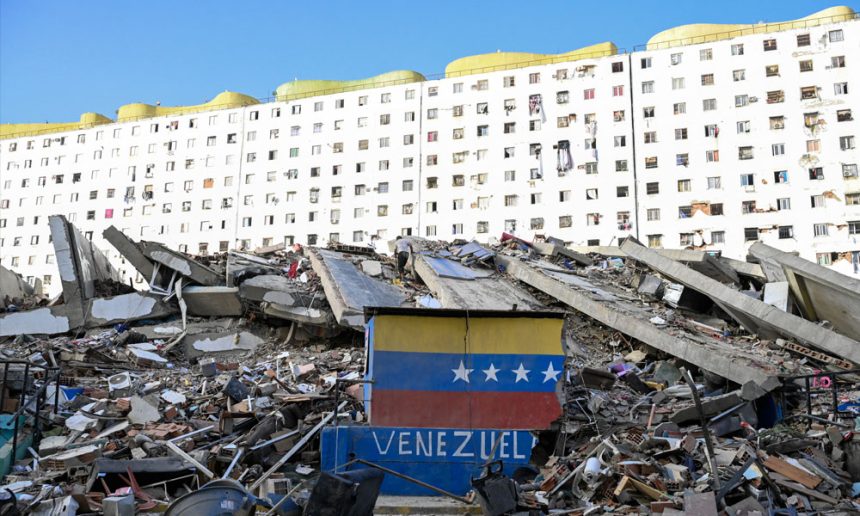
The back-to-back seismic events caused severe shaking across northern Venezuela, affecting major cities including Caracas and the coastal state of La Guaira, which suffered the greatest destruction. Buildings collapsed, roads cracked, hospitals sustained damage, and power outages spread across multiple regions.
Venezuela Earthquake Death Toll Continues to Rise
Authorities have confirmed that the disaster has become one of the country’s worst earthquakes in decades.
According to the latest official figures:
- Death Toll: 4,734 people
- Injured: More than 16,700
- Homeless: Nearly 18,000 residents
- Thousands of buildings have either collapsed or been declared unsafe.
Officials warn that these numbers could still increase as recovery teams continue searching damaged neighborhoods. Many communities remain difficult to access because damaged roads and infrastructure have slowed emergency operations.
President’s Response to the Disaster
Following the devastating earthquakes, Venezuela’s leadership declared a national emergency and mobilized military personnel, emergency responders, and medical teams.
Government officials have coordinated:
- Search-and-rescue operations
- Emergency medical assistance
- Temporary shelters
- Food and clean water distribution
- Infrastructure damage assessments
Authorities have also appealed for international humanitarian assistance, acknowledging that the scale of destruction exceeds domestic response capabilities. International rescue teams and relief organizations have since arrived to support local emergency workers.
Search and Rescue Operations
Immediately after the earthquakes, rescue workers rushed to collapsed apartment buildings, schools, hospitals, and commercial structures.
Teams have used:
- Heavy construction equipment
- Rescue dogs
- Thermal imaging technology
- Specialized urban search-and-rescue units
Thousands of people have been rescued from damaged buildings, although officials say the rescue phase has gradually transitioned into recovery and reconstruction efforts as hopes of finding additional survivors diminish.
Humanitarian Crisis Deepens
The earthquakes have created an enormous humanitarian emergency.
Many survivors are currently living in:
- Emergency shelters
- Schools
- Sports stadiums
- Temporary tent communities
Healthcare systems are under severe pressure. Hospitals continue treating thousands of injured patients while also struggling with shortages of medical supplies.
Public health experts have warned about increasing risks of:
- Waterborne diseases
- Respiratory infections
- Poor sanitation
- Interrupted treatment for chronic illnesses
International humanitarian organizations have called for urgent financial assistance to prevent secondary health emergencies.
International Aid Arrives
Several countries and international organizations have pledged humanitarian assistance following the disaster.
Support includes:
- Medical equipment
- Emergency shelters
- Food supplies
- Clean drinking water
- Rescue personnel
- Financial assistance
The European Union recently announced an additional €20 million in humanitarian aid, adding to earlier emergency funding already committed after the earthquakes. International agencies continue coordinating relief operations with Venezuelan authorities.
Economic Impact of the Earthquake
Beyond the tragic loss of life, the earthquakes have inflicted enormous economic damage.
Experts estimate that billions of dollars will be required to rebuild:
- Residential neighborhoods
- Roads and highways
- Schools
- Hospitals
- Public utilities
- Government infrastructure
The disaster has also disrupted local businesses, tourism, transportation, and port operations along Venezuela’s northern coast.
Reconstruction is expected to take several years given the scale of destruction and Venezuela’s existing economic challenges.
Why Venezuela Is Vulnerable to Earthquakes
Although Venezuela is not as frequently affected by earthquakes as some neighboring countries, it lies near the boundary between the Caribbean Plate and the South American Plate.
This tectonic setting creates active fault systems capable of producing significant earthquakes.
Historically, Venezuela has experienced several destructive earthquakes, including:
- Caracas earthquake (1812)
- Caracas earthquake (1967)
- Zulia earthquakes (2025)
The 2026 twin earthquakes are among the strongest and most devastating in recent Venezuelan history.
Recovery Challenges Ahead
Recovery will involve much more than rebuilding damaged structures.
Authorities face several long-term challenges:
- Housing thousands of displaced families
- Restoring electricity and water systems
- Repairing transportation networks
- Reopening schools and hospitals
- Supporting businesses affected by the disaster
- Providing mental health services for survivors
International experts believe reconstruction could continue well into the coming years.
Latest Venezuela Earthquake News
Emergency officials continue updating casualty figures as recovery teams complete searches in the hardest-hit communities.
International relief organizations remain active across affected regions, providing medical care, food assistance, and temporary housing. Governments worldwide continue monitoring the situation and contributing humanitarian support.
Authorities have urged residents to remain alert for aftershocks while engineers inspect damaged buildings before allowing people to return.
The focus is now shifting from emergency rescue toward rebuilding communities and restoring essential public services. (Reuters)
Conclusion
The Venezuela Earthquake 2026 has become one of the country’s most devastating natural disasters in recent memory. With the death toll exceeding 4,700, thousands injured, and nearly 18,000 people left homeless, the humanitarian and economic impact will be felt for years.
As emergency operations transition into reconstruction, the resilience of affected communities and sustained international support will be critical to Venezuela’s recovery. While rescue efforts have saved thousands of lives, the nation now faces the difficult task of rebuilding homes, restoring infrastructure, and helping survivors recover from an unprecedented tragedy.
For more on the broader Middle East conflict shaping congressional debates, read our coverage of US Senate Democrats Block Defence Bill Over Iran War, Israel Integration Amid Growing Political Divide, which explains how divisions over Iran policy and U.S.-Israel defense cooperation are influencing Capitol Hill.