The U.S. Senate has dramatically reversed course on one of the most contentious foreign policy debates of 2026, walking back its rebuke of President Donald Trump over the ongoing Iran conflict. Just one day after lawmakers approved a war powers resolution aimed at limiting the president’s authority in the conflict, the Senate rejected a similar measure, signaling a major shift in Republican support and exposing deep divisions within the GOP.
The development has generated national headlines, with political observers focusing on the Senate walks back rebuke of Trump vote, the growing controversy surrounding the Iran war, and a heated Capitol Hill confrontation involving Trump and Senator Bill Cassidy. The incident, often referred to as the Trump Cassidy Capitol altercation, became one of the most talked-about political moments of the week and drew extensive coverage from CNN and other major news organizations.
Senate Walks Back Rebuke of Trump Over Iran War
The controversy began when the Senate narrowly passed a war powers resolution directing the administration to remove U.S. military forces from the conflict with Iran unless Congress explicitly authorized continued involvement. The vote was viewed as a rare bipartisan rebuke of President Trump’s handling of the war and represented the first successful Senate effort to limit his authority on Iran during the conflict.
The resolution passed with support from several Republican senators, including Bill Cassidy, Rand Paul, Susan Collins, and Lisa Murkowski, who joined Democrats in backing the measure. The final vote of 50-48 reflected growing concerns among lawmakers about congressional oversight of military action.
However, less than 24 hours later, Senate Republicans introduced another procedural vote on a similar measure. This time, the resolution failed after key Republican senators changed their positions, effectively allowing the Senate to walk back its earlier rebuke of Trump over Iran.
Why Did the Senate Reverse Course?
Several factors contributed to the reversal.
According to reports, President Trump expressed strong frustration with Republican senators who supported the initial resolution. The president argued that Congress had weakened his negotiating position with Iran by publicly signaling divisions within the U.S. government.
Following meetings with senior administration officials, including Vice President JD Vance and Special Envoy Steve Witkoff, some senators reconsidered their positions. Senator Bill Cassidy stated that he received a detailed briefing addressing concerns about the conflict and administration strategy. As a result, he voted against advancing the second resolution.
Senator Rand Paul also altered his position by voting “present” rather than supporting the measure outright. Paul explained that while his views on executive war powers remained unchanged, he wanted to provide the president with more flexibility in ongoing negotiations with Iran.
The vote ultimately failed 47-50-1, marking a significant political victory for the White House.
The Trump Cassidy Capitol Altercation
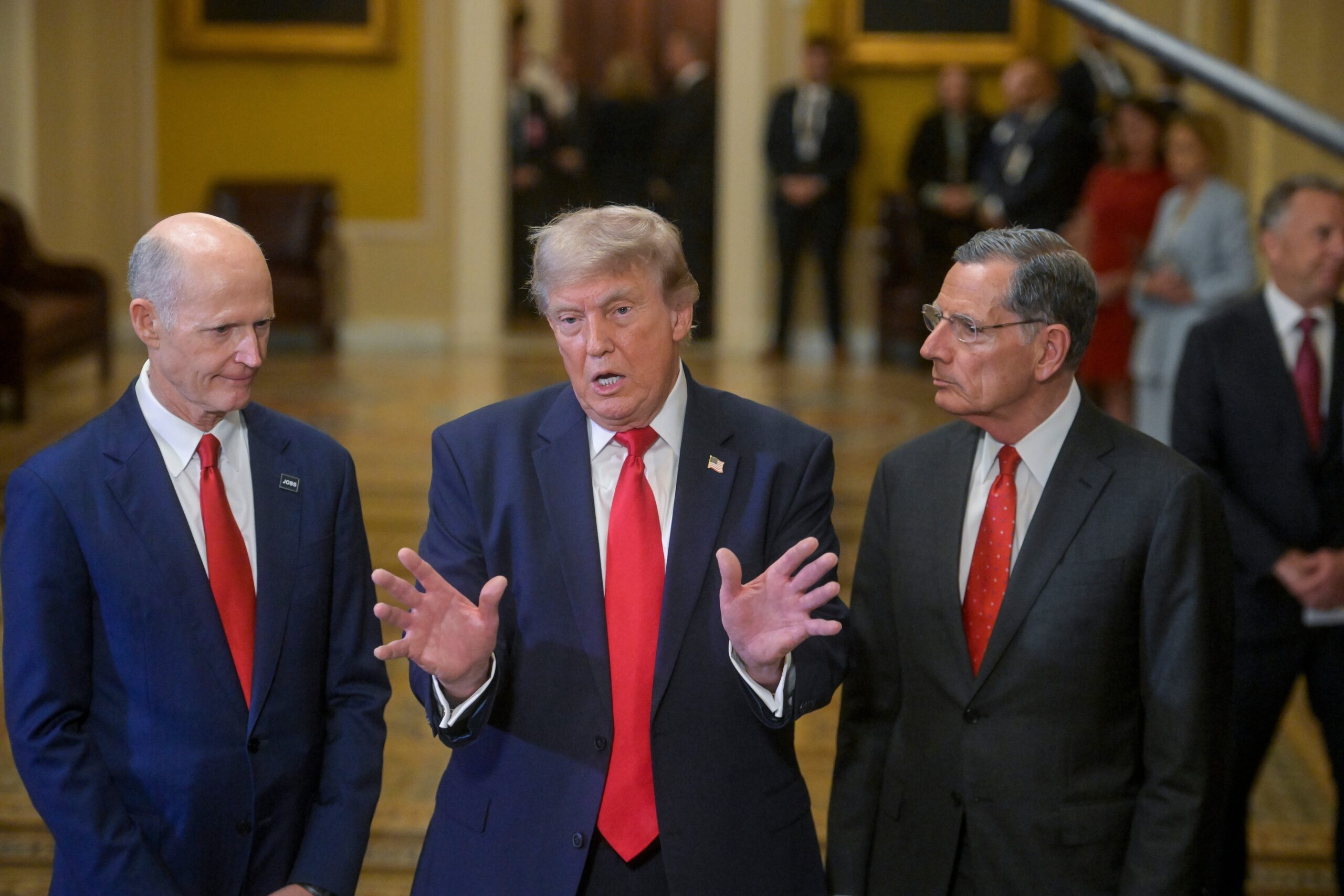
One of the most dramatic moments surrounding the vote was the tense exchange between President Trump and Senator Bill Cassidy during a closed-door Senate Republican meeting.
Reports indicate that Cassidy directly challenged Trump over the administration’s handling of the Iran conflict, demanding greater transparency and more information for Congress and the American public. The discussion quickly escalated into a heated confrontation.
Witnesses described the exchange as unusually intense. Cassidy reportedly insisted that lawmakers had not received sufficient information about the conflict’s objectives, duration, or overall strategy. Trump pushed back aggressively, arguing that congressional criticism was undermining U.S. leverage abroad.
The Trump Cassidy Capitol altercation soon became a major news story, highlighting growing tensions within the Republican Party over foreign policy and presidential authority.
CNN Coverage and National Attention
CNN closely followed the developments, describing the Senate’s actions as a remarkable political reversal. The network reported that Republican senators who had initially supported limiting Trump’s war powers changed their positions after private meetings with administration officials and direct engagement from the president himself.
CNN’s reporting also emphasized that the dispute reflected broader debates over the constitutional balance between Congress and the presidency when it comes to military action. Critics argue that lawmakers should play a larger role in authorizing wars, while supporters of the administration believe presidents need flexibility to respond to international threats.
The network’s coverage further spotlighted the personal and political dimensions of the Trump-Cassidy clash, turning the confrontation into a symbol of larger Republican disagreements over the Iran conflict.
Republican Divisions Over Iran
The Iran war has become one of the most divisive issues within the Republican Party.
Traditional national security conservatives generally support maintaining pressure on Iran and backing the administration’s military strategy. However, a growing faction of Republicans has expressed concerns about the conflict’s cost, duration, and constitutional implications.
Senators like Rand Paul and Bill Cassidy have repeatedly raised questions about congressional authority and the need for greater oversight. Meanwhile, others argue that public disputes weaken America’s position during sensitive international negotiations.
The Senate reversal demonstrated how difficult it remains for Congress to sustain bipartisan opposition when faced with direct pressure from party leadership and the White House.
What Happens Next?
Although the Senate rejected the latest war powers measure, the broader debate over Iran is far from over.
Lawmakers continue to demand more information about military objectives, troop commitments, and long-term strategy. Congress will also face decisions regarding additional funding requests related to the conflict, ensuring that Iran remains a central political issue in Washington.
For President Trump, the vote represents an important political win. The reversal helped restore support among Republican senators and reduced the immediate threat of congressional restrictions on his authority. Yet the episode also revealed persistent concerns within his own party regarding transparency and war powers.
Conclusion
The Senate walks back rebuke of Trump over Iran war story marks one of the most significant political reversals of 2026. After initially voting to limit the president’s authority, key Republican senators changed course following administration briefings and direct pressure from President Trump.
The resulting vote not only reshaped the debate over Iran but also exposed deep divisions within the GOP. Combined with the widely publicized Trump Cassidy Capitol altercation and extensive CNN coverage, the episode underscores the continuing struggle between Congress and the White House over war powers, foreign policy, and presidential authority.
As the Iran conflict continues, the political fallout from this dramatic Senate reversal is likely to remain a major issue in Washington for months to come.