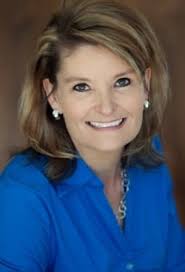
Cindy Holscher Kansas Democratic Party is a major political search topic following the Kansas state senator’s victory in the 2026 Democratic gubernatorial primary. Holscher has emerged as the Democratic nominee for governor and will now campaign in the November 2026 general election to succeed term-limited Gov. Laura Kelly.
A longtime Kansas legislator from Johnson County, Holscher has built her political reputation around healthcare, public education, affordability, abortion rights and opposition to what she describes as excessive corporate tax incentives. Her primary victory puts her at the center of Kansas Democrats’ effort to retain the governor’s office.
Who Is Cindy Holscher?
Cindy Holscher is a Democratic politician who represents Kansas Senate District 8 in Johnson County. According to the Kansas Legislature, she served in the Kansas House from 2017 through 2020 before moving to the state Senate in 2021. She currently serves as Senate Minority Whip.
Holscher has developed a legislative record focused on issues including healthcare, education, workers, public safety and government policy. Her earlier House record included work on healthcare and human services, education and rural revitalization.
Her political career has given her several years of experience inside the Kansas Statehouse, something she emphasized during her campaign for governor.
Cindy Holscher and the Kansas Democratic Party
The relationship between Cindy Holscher and the Kansas Democratic Party became particularly important during the 2026 gubernatorial primary.
The Kansas Democratic Party listed Holscher alongside Ethan Corson and Overland Park Mayor Curt Skoog as Democratic candidates for governor.
The primary was competitive because Democrats were choosing a successor to Laura Kelly, who cannot seek another consecutive term because of Kansas’ gubernatorial term limits.
Holscher positioned herself as a candidate willing to challenge political and economic interests she believes have contributed to higher costs for Kansas families. That message helped distinguish her from Corson, who received Kelly’s endorsement.
The primary also illustrated a broader debate within Kansas Democrats over whether the party should emphasize continuity with Kelly’s administration or pursue a more confrontational and populist campaign.
Cindy Holscher Wins the 2026 Democratic Primary
The biggest development in the Cindy Holscher Kansas Democratic Party story came on August 4, 2026, when Holscher won the Democratic nomination for governor.
She defeated fellow Democrats Ethan Corson and Curt Skoog and advanced to the November general election. The result was significant because Corson had received the endorsement of Gov. Laura Kelly, while Holscher campaigned on a more independent political identity.
Holscher’s victory means Kansas Democrats will enter the general election with a nominee who has extensive legislative experience but also sought to differentiate herself from the party’s establishment.
The Kansas governor’s race is especially important because Kelly is leaving office after two terms. Democrats have controlled the governor’s mansion for eight years, but Republicans are seeking to reclaim it in 2026.
Her Running Mate: KC Ohaebosim
Holscher selected Kansas Rep. KC Ohaebosim as her running mate for lieutenant governor.
The ticket brought together two Statehouse Democrats with legislative experience. Kansas Reflector reported that Holscher and Ohaebosim share priorities including public education, healthcare access and economic affordability.
Holscher described the partnership as a team focused on making Kansas more affordable and improving access to essential services.
The pairing also gives the Democratic ticket representation from different parts of Kansas. Holscher represents Johnson County, while Ohaebosim is from the Wichita area.
Holscher’s Key Policy Priorities
Affordability has been one of the central themes of Holscher’s campaign.
During the campaign, she criticized taxpayer-funded incentives for large corporations and argued that state policy should prioritize Kansas families and small businesses.
One example was her opposition to certain incentives connected to large development projects. In discussions about the state’s growing data-center industry, Holscher called for a statewide moratorium on new data-center construction, making her one of the Democratic candidates to take a clear position on the issue.
She has also emphasized healthcare, childcare, housing and education.
Healthcare
Healthcare access has been a major issue in the Democratic gubernatorial contest. Holscher has supported policies aimed at expanding access and making healthcare more affordable.
Kansas Democrats have also highlighted the state’s rural healthcare challenges, including concerns about hospital access outside major metropolitan areas.
Public Education
Education is another major component of Holscher’s political platform.
Her legislative history includes work on education-related committees, and her gubernatorial campaign has emphasized adequately funding Kansas public schools.
For Democrats, education is also an important issue in rural communities where schools can be among the largest employers and institutions.
Cost of Living
Holscher has increasingly focused on the cost of living, including property taxes, utility expenses and broader affordability concerns.
In August, she argued that Kansas should reconsider tax breaks benefiting large out-of-state corporations when those policies potentially increase costs for residents.
This message helped give her campaign a distinctly economic focus.
Why Her Primary Victory Matters
Holscher’s primary win changes the political landscape for the Kansas governor’s race.
The Republican primary was also closely watched, with state Senate President Ty Masterson winning the GOP nomination. Masterson has been backed by former President Donald Trump.
That sets up a major Democratic-Republican contest for November.
Kansas has generally favored Republicans in federal elections, making the governor’s race a difficult challenge for Democrats. However, the state has also demonstrated a willingness to elect Democratic governors, including Laura Kelly.
Holscher will therefore need to build a coalition that extends beyond Johnson County and other Democratic strongholds.
Cindy Holscher’s Challenge in the General Election
Winning the Democratic primary was only the first step.
Holscher now faces the challenge of introducing herself to voters across Kansas while defending Democratic control of the governor’s office.
Her campaign will likely focus on affordability, healthcare, education and opposition to what she considers excessive corporate influence.
Republicans, meanwhile, will seek to connect her with the national Democratic Party and argue that Kansas needs a more conservative direction.
The general election could therefore become a contest between competing visions of the state’s economic future.
What Comes Next for Cindy Holscher?
Following her Democratic primary victory, Holscher enters the general-election campaign as the Democratic nominee for Kansas governor.
The November 3 election will determine whether Democrats can retain the governor’s mansion after Kelly’s departure.
For Holscher, the next stage will require expanding her coalition, raising resources and appealing to independent and moderate voters while maintaining support among Democratic voters.
Her background as a state legislator gives her experience with Kansas-specific issues, but the statewide campaign will test whether that experience can translate into a winning coalition.
Final Thoughts
The Cindy Holscher Kansas Democratic Party story has become one of the key political developments of the 2026 Kansas election cycle. From her years in the Kansas House and Senate to her successful Democratic gubernatorial primary campaign, Holscher has established herself as a prominent figure in Kansas Democratic politics.
Her victory over Ethan Corson and Curt Skoog gives Democrats a nominee with a strong legislative record and a campaign centered on affordability, healthcare, education and economic fairness.
Now, with the November general election approaching, Cindy Holscher faces the biggest political test of her career: defending the Kansas governor’s office for Democrats and convincing voters across the state that her approach can deliver a more affordable and accessible Kansas