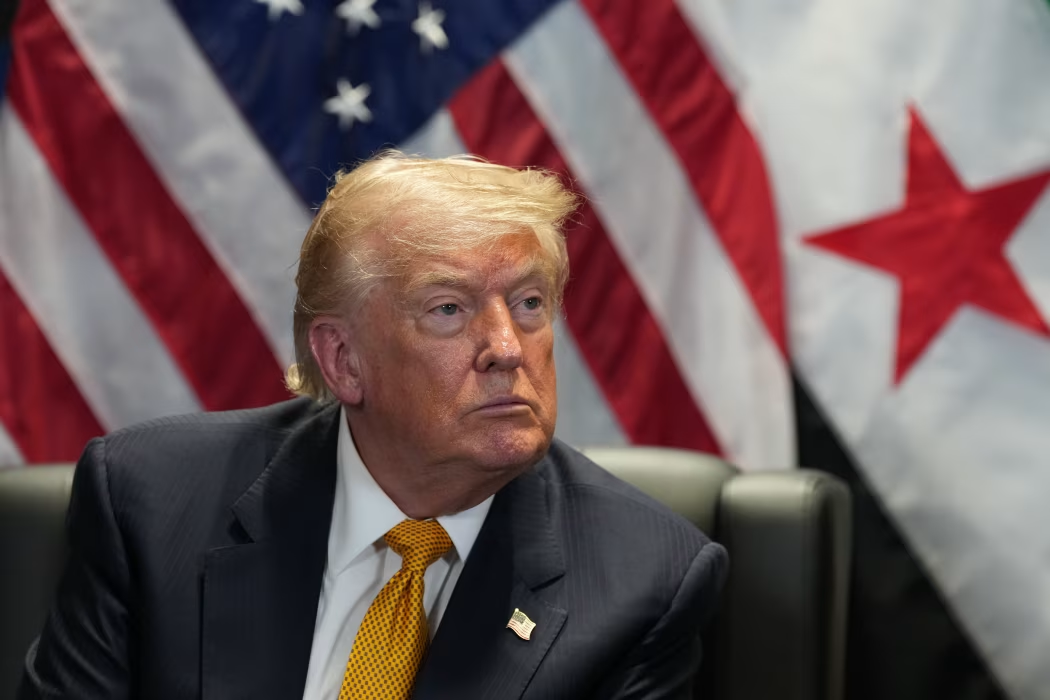
The fragile ceasefire between the United States and Iran has collapsed, marking a dramatic escalation in one of the most dangerous geopolitical confrontations of 2026. Speaking during the NATO Summit in Ankara, President Donald Trump declared that the Iran ceasefire was “over” and warned that fresh U.S. military action could follow within hours.
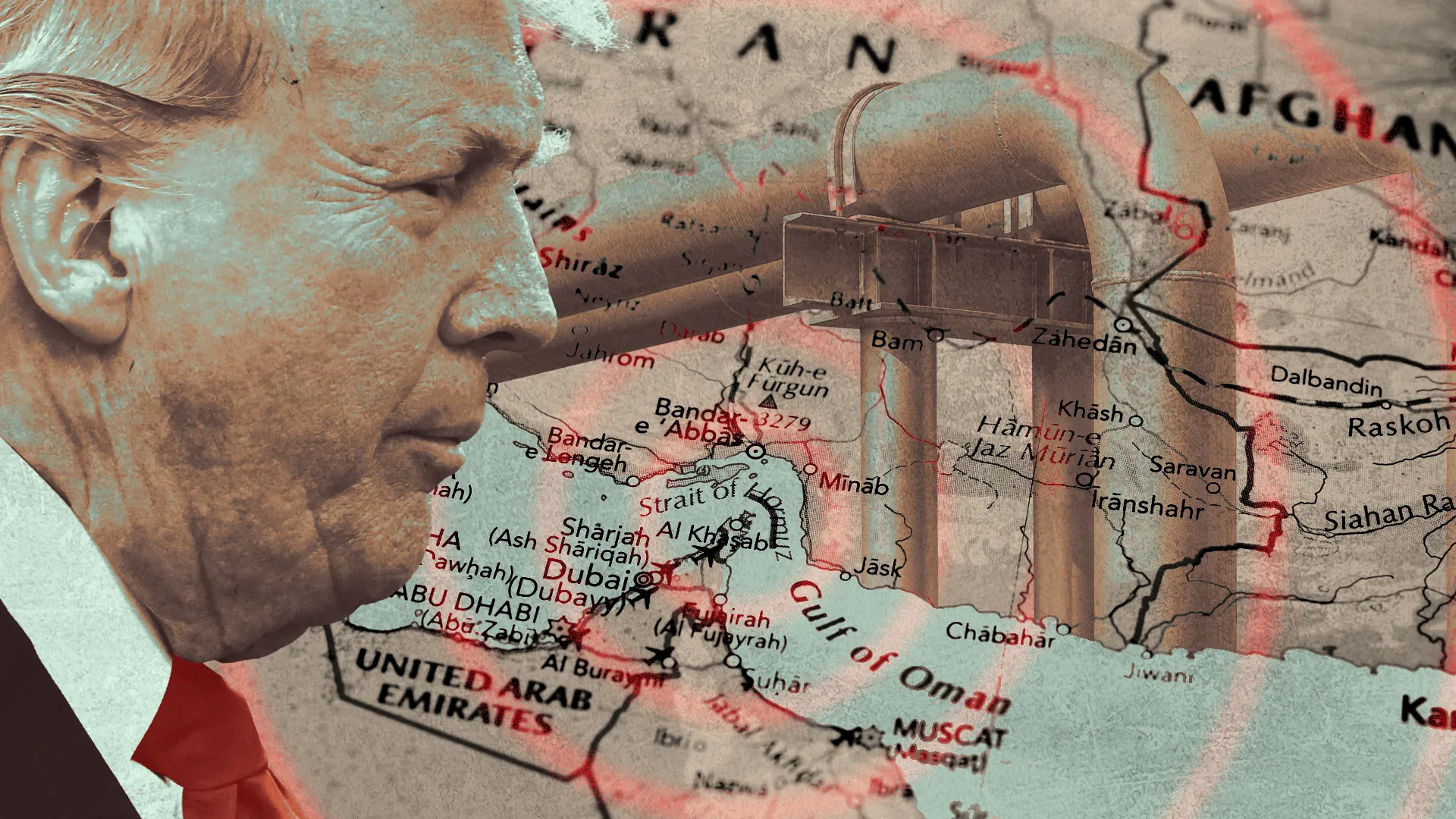
While previous weeks focused on negotiations surrounding Iran’s nuclear ambitions, Washington has now shifted its attention to securing the Strait of Hormuz—the world’s most important oil shipping lane. The strategic waterway has become the center of the conflict after repeated attacks on commercial vessels and renewed threats to international maritime trade.
The latest developments have sparked fears of another prolonged Middle East conflict, increased oil price volatility, and broader regional instability.
Trump Declares the Ceasefire “Over”
Addressing reporters on the sidelines of the NATO Summit, Donald Trump said he no longer believed diplomatic negotiations with Tehran were working.
According to Trump, Iran repeatedly violated understandings reached during previous talks, leaving the United States with little confidence that diplomacy alone could resolve the crisis. He suggested additional U.S. military operations remained a strong possibility while insisting Iran must never obtain a nuclear weapon.
His remarks marked a significant policy shift from earlier efforts aimed at extending the temporary ceasefire and negotiating a broader agreement.
Why the Strait of Hormuz Has Become the New Focus
Rather than concentrating solely on Iran’s nuclear facilities, the Trump administration is now prioritizing freedom of navigation through the Strait of Hormuz.
The narrow waterway connects the Persian Gulf with the Gulf of Oman and carries roughly one-fifth of the world’s oil shipments. Any disruption immediately affects global energy markets.
Recent incidents involving attacks on tankers and commercial shipping prompted Washington to increase naval operations in the region. The administration argues that keeping Hormuz open is now a strategic priority not only for the United States but also for global economic stability.
Vice President JD Vance has also reiterated that reopening and protecting the shipping route remains one of Washington’s principal objectives.
Iran Rejects U.S. Position
Iranian officials continue to accuse Washington of violating earlier understandings reached during ceasefire negotiations.
Tehran argues that renewed American military operations undermine trust and make diplomatic progress increasingly difficult. Iranian negotiators reportedly insist that broader political and economic issues must be addressed before maritime security can be fully restored.
The competing narratives illustrate how both governments remain far apart despite earlier attempts at de-escalation.
Fresh Military Operations Increase Regional Risks
Following Trump’s announcement, reports indicated that new military operations were expected against Iranian targets.
Iran has also continued retaliatory actions against U.S. interests in the Gulf region, contributing to fears that the conflict could spread beyond bilateral hostilities.
Military analysts warn that continued exchanges raise the possibility of accidental escalation involving regional allies, international shipping routes, and neighboring Gulf states.
Although neither side has formally declared full-scale war, military activity has intensified considerably.
Oil Markets React Immediately
Financial markets responded quickly to the latest developments.
Brent crude prices climbed sharply after Trump’s announcement that the ceasefire had effectively ended. Investors remain concerned that prolonged instability around the Strait of Hormuz could disrupt global energy supplies.
Energy analysts note that even temporary interruptions in shipping traffic through the Strait typically lead to higher fuel prices worldwide because such a significant share of international crude exports passes through the narrow channel.
Higher oil prices could also contribute to increased inflation and renewed economic pressure across major economies.
NATO Summit Overshadowed by Iran
Trump’s comments came during the NATO Summit, where leaders had gathered to discuss alliance security, defense spending, and support for collective security commitments.
Instead of focusing solely on NATO priorities, attention shifted toward the rapidly deteriorating situation between Washington and Tehran.
The President’s remarks also fueled debate among allies over whether diplomatic engagement or stronger military deterrence represents the best path forward.
Several European governments have continued encouraging dialogue while expressing concern about protecting commercial shipping.
Diplomatic Channels Remain Open—But Narrow
Despite Trump’s increasingly tough rhetoric, officials from several countries continue attempting to revive negotiations.
Regional mediators including Qatar, Egypt, Pakistan, and Turkey have reportedly maintained behind-the-scenes discussions aimed at preventing further escalation.
However, mutual distrust remains the largest obstacle.
Washington believes Tehran has failed to meet earlier commitments, while Iran argues the United States repeatedly changed the terms of negotiations.
Without renewed confidence-building measures, prospects for another ceasefire remain uncertain.
Global Implications
The consequences extend well beyond the Middle East.
Several major economies—including China, India, Japan, and European nations—depend heavily on uninterrupted energy supplies passing through the Strait of Hormuz.
Any prolonged disruption could lead to:
- Higher global oil prices
- Increased inflation
- Shipping delays
- Financial market volatility
- Greater geopolitical uncertainty
International shipping companies are also closely monitoring security conditions before routing vessels through the region.
What Happens Next?
Several scenarios remain possible over the coming days:
- Additional U.S. military strikes targeting Iranian assets.
- Iranian retaliation against U.S. military installations or commercial shipping.
- Renewed mediation efforts by regional partners.
- Limited diplomatic talks focused specifically on reopening the Strait of Hormuz.
- Broader negotiations if both sides determine continued conflict carries excessive economic costs.
While President Trump maintains that the United States is prepared to act militarily if necessary, he has also suggested that negotiations could still resume if Iran changes its position. (Axios)
Conclusion
Donald Trump’s declaration that the Iran ceasefire is “over” represents one of the most significant turning points in the 2026 U.S.-Iran conflict. The administration’s strategic focus has shifted from ceasefire negotiations toward protecting the Strait of Hormuz, reflecting growing concern over global energy security and maritime stability.
Although diplomatic efforts have not completely ended, renewed military operations and increasingly confrontational rhetoric suggest the crisis has entered a far more dangerous phase. Markets, allies, and regional governments will now closely watch whether diplomacy can regain momentum—or whether the conflict expands into a broader regional confrontation.
Read our related analysis: Did Donald Trump Intentionally Reject the US-Iran Ceasefire at the NATO Summit? to understand how Trump’s NATO Summit remarks foreshadowed the collapse of the Iran ceasefire and the shift toward the Strait of Hormuz crisis.